
USDZAR: Commodity Tailwinds Meet Federal Reserve Uncertainty
The South African Rand (ZAR) is showing renewed resilience, climbing above the 16.40 level against the US Dollar (USD) as July begins. This shift brings fresh momentum to local markets, driven mainly by precious metals prices and a more stable energy outlook following the reopening of the Strait of Hormuz.
However, as the currency navigates its recovery, the ZAR remains caught in a sensitive tug-of-war between positive commodity sentiment and the hawkish monetary policy stance of the US Federal Reserve.
Key Drivers Behind the ZAR’s Current Strength
The Rand’s recent performance has been supported by three key pillars:
- Recovery in Commodity Prices: A slight earlier rise in precious metals prices provided direct support for the Rand. Given South Africa’s position as a major minerals exporter, the correlation between these commodity prices and the ZAR remains a key driver of investor confidence.
- Fuel Price Relief: After months of continued increases, South African motorists are seeing the first significant fuel price decline this July. Easing tensions between the US and Iran have lowered global energy costs, which has had a positive impact on the short-term inflation outlook.
- Market Resilience: Despite noise from local anti-immigration demonstrations and concerns around inflation expectations, the currency has remained firmly supported, holding near its strongest levels since mid-June.
The Coming Shadow: The “Warsh” Era at the Fed
Although local factors remain fairly constructive, the main threat to Rand stability lies in Washington. Investors are currently recalibrating their expectations for US monetary policy under the new Federal Reserve Chair, Kevin Warsh.
Since his confirmation in May 2026, Warsh has moved quickly to build hawkish credibility. His recent rhetoric, together with the June meeting that leaned more towards a potential rate hike, has strengthened the Greenback. Markets are now focused on:
- The Fed Chair’s Agenda: Investors are closely watching every word from Chair Warsh during his international appearances, such as the upcoming European Central Bank event in Portugal, for clues on the future direction of Fed policy.
- The NFP Report: The upcoming US Non-Farm Payrolls (NFP) and Average Hourly Earnings data, a wage inflation measure, will act as a key test for Fed policy. If the numbers show a cooling labour market, the USD may weaken. Conversely, a strong report is likely to trigger capital outflows from emerging markets such as South Africa, strengthening the USDZAR pair.
Strategic Outlook
USDZAR is currently caught in a transition phase. Although the “oil shock” premium has faded, it has been replaced by the US Dollar’s “inflation fighter” premium.
What to Watch
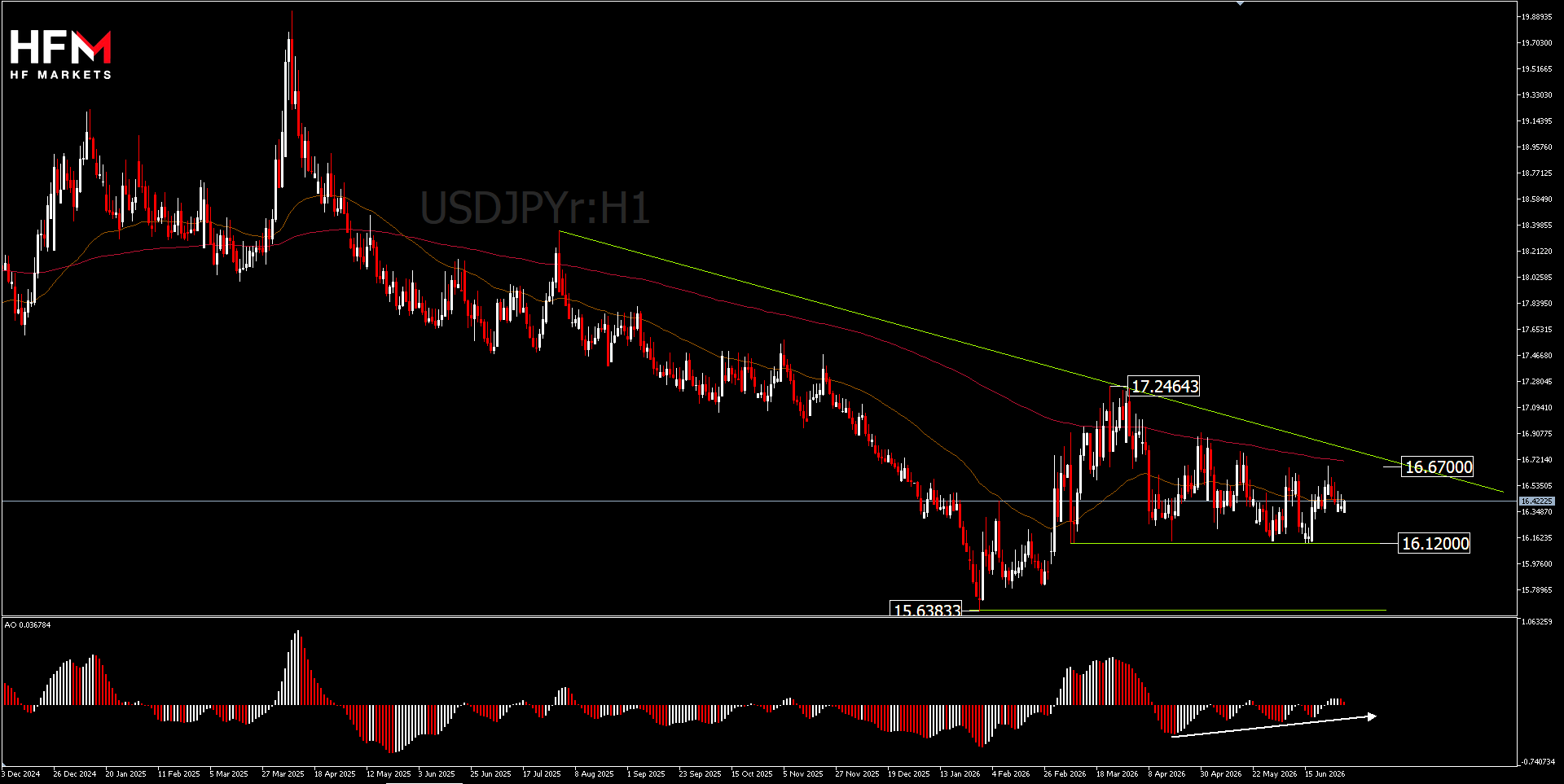
Technical Support/Resistance: The 16.12 level acts as a crucial pivot. A sustained break below this level could signal further Rand strength, provided global risk sentiment remains risk-on. The 16.67 level, the 200-day EMA, and the descending trendline will act as resistance. A breakout above these three technical parameters could bring a rebound towards the 17.24 price level.
Second-Round Inflation Effects: Although lower oil prices are helpful, the South African Reserve Bank (SARB) remains concerned that higher inflation expectations could become entrenched. If the central bank signals further domestic policy tightening to protect its 3% inflation target, this could provide additional support for the Rand.
Conclusion
The Rand is currently a battleground between global commodity strength and US monetary tightening. Investors should prepare for increased volatility as markets digest the “Warsh doctrine” and the implications of upcoming US employment data. For now, the Rand is enjoying a “breath of relief” from lower energy costs, but its longer-term path will be determined by how successfully the Federal Reserve balances its fight against inflation with the risk of weighing on domestic economic growth.
Terms and Conditions apply
Click here to access our Economic Calendar.
Disclaimer: This material is provided as a general marketing communication for information purposes only and does not constitute an independent investment research. Nothing in this communication contains, or should be considered as containing, an investment advice or an investment recommendation or a solicitation for the purpose of buying or selling of any financial instrument. All information provided is gathered from reputable sources and any information containing an indication of past performance is not a guarantee or reliable indicator of future performance. Users acknowledge that any investment in Leveraged Products is characterized by a certain degree of uncertainty and that any investment of this nature involves a high level of risk for which the users are solely responsible and liable. We assume no liability for any loss arising from any investment made based on the information provided in this communication. This communication must not be reproduced or further distributed without our prior written permission.

Ady Phangestu
Ady Phangestu is the author of technical books on foreign exchange analysis, a foreign exchange practitioner and teacher who has held seminars in various parts of Indonesia together with HF Markets. He has been a part of the trading world since 2009.
Currently he is still active as a writer and provides online and offline lessons in the basics of foreign exchange and introduction to financial products.
